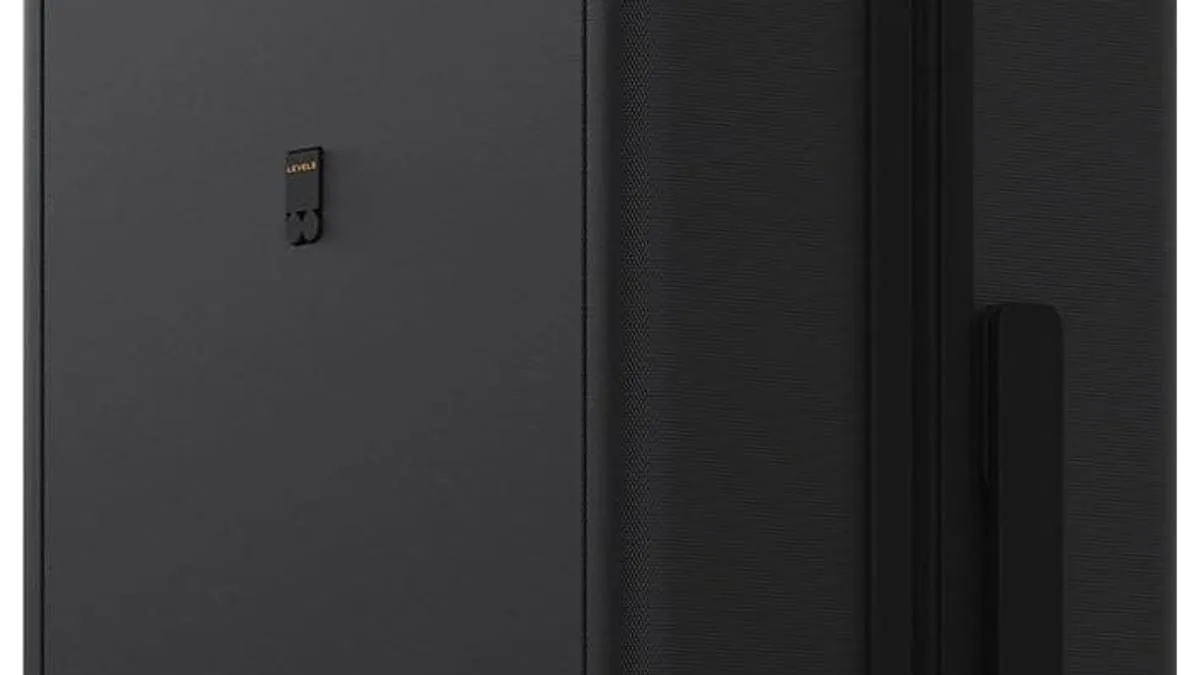
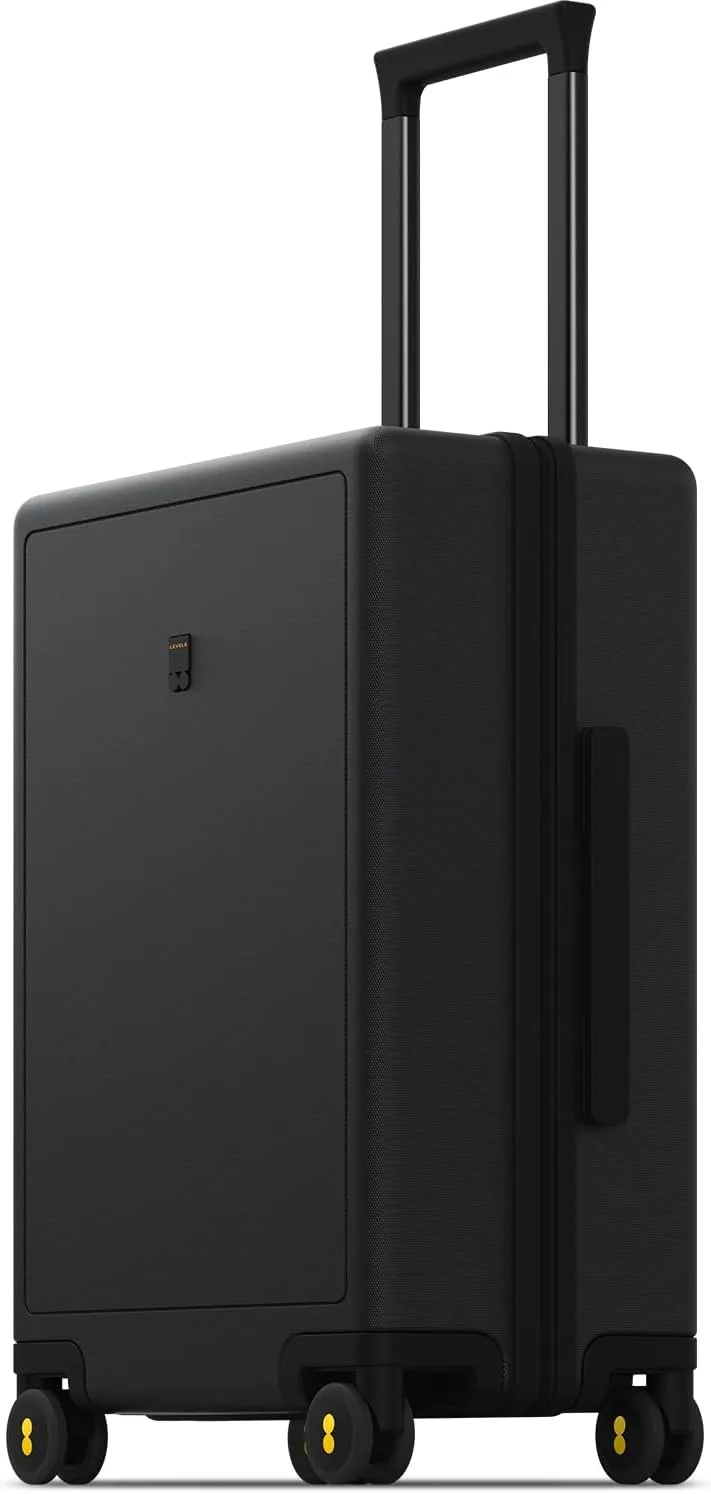
A carry-on that fits every US airline has maximum external dimensions of 22 x 14 x 9 inches (56 x 36 x 23 cm), four 360-degree spinner wheels, a TSA-approved lock, and weighs under 8 lb empty — but the right pick for you also depends on whether you fly mainline carriers (Delta, United, American, Southwest) or budget airlines (Spirit, Frontier), which are stricter on size and weight.
Airlines have different size limits, but the industry-standard carry-on dimensions are roughly 22 x 14 x 9 inches. If your bag fits inside that box, it fits virtually every US mainline carrier.
What is the rule #1 when buying a carry-on?
Measure your bag when full, not empty. Expandable zippers and packed pockets can add an inch or two — exactly the amount that gets you gate-checked on a full flight. The biggest gate-check trigger is a bag that clears the sizer empty but bulges when packed.
How much should a carry-on weigh empty?
Weight is the hidden variable. Hard-shell polycarbonate cases around 6-7 lb leave you room for packing before you hit the airline weight cap. Aluminum-frame cases are tougher but heavier (9-11 lb), which matters if you fly budget airlines with strict weight limits. International carriers typically cap carry-on at 15 lb / 7 kg; US mainline carriers cap closer to 22 lb / 10 kg.
Do spinner wheels really matter on a carry-on?
Wheel quality changes your whole airport experience. Four spinner wheels that rotate 360 degrees let you walk beside your bag instead of dragging it. Test the wheels on carpet before buying — that is where cheap wheels bind. Look for in-line skate-wheel bearings, not the solid plastic wheels that come on budget bags.
Is a TSA-approved lock necessary?
A TSA-approved lock is non-negotiable for checked or gate-checked scenarios. Look for zipperless designs if you travel often — zippers are the first thing to fail on luggage. The TSA-007 keyhole standard is what agents carry, so the lock can be opened and re-locked without a cut.
What carry-on is the best value for 2026?
The LEVEL8 luminous carry-on is a great middle ground: lightweight textured hard shell, TSA lock and spinner wheels at a friendly price. For a lighter load or tighter budgets, textured polycarbonate beats glossy — it hides scratches from the first flight.
Quick checklist before you commit
A short buyer’s checklist you can run through in the store:
- Fits the 22 x 14 x 9 in box: pack it full and try it at the airport sizer if possible.
- Weighs under 8 lb empty: leave 7-14 lb of headroom for your stuff depending on airline.
- Spinner wheels roll smoothly on carpet: tug the bag beside you for 30 seconds before buying.
- TSA lock present and clearly labeled: avoid locks with no brand name on the keyhole.
- Interior compression straps and a zippered mesh divider: keep clothes flat and toiletries contained.
- Textured hard shell: hides the scuffs that glossy picks collect in the first month.
Last rule: buy for the airline you fly most, not the one with the loosest rules. Budget carriers are getting stricter every year.
As an Amazon Associate, I earn from qualifying purchases.
Frequently Asked Questions
Most US airlines allow 22 x 14 x 9 inches. Budget carriers like Spirit and Frontier use smaller boxes, often 22 x 18 x 10 inches for the personal item tier.


